
Metabolic Surgery in Turkey
Regain control of your diabetes with personalized metabolic surgery at Alika Health Group.
Your Bariatric Journey in a Nutshell
What is Metabolic Surgery?
Metabolic surgery is a type of surgery that aims to treat a metabolic disease with surgical methods. Also known as diabetes surgery, it includes procedures that allow both diabetes and obesity to be controlled at the same time.
Proving the positive effects of obesity surgery on Type 2 diabetes has led to the development of laparoscopic metabolic surgery. Laparoscopic sleeve gastrectomy, duodenoileal interposition, duodenojejunal bypass and jejunoileal interposition, transit bipartition, and loop transit bipartition (SASI) are metabolic surgeries developed in this context.
The operation can be performed in the treatment of Type 2 diabetes both in normal-weight patients and in obese patients.
Surgery Time
1-2 Hours
Time in Turkey
5 Days
Hospitalization
3 Nights
Accommodation
Luxury Hotel & Hospital Suit
Transportation
VIP Transfer
Are You Eligible for Metabolic Surgery?
Patients who meet the following criteria are suitable for metabolic surgery:
- Type 2 diabetic patients with a body mass index of 40.
- Body mass index is between 35 and 40 and sugar control cannot be achieved despite medication and lifestyle changes.
- Patients with Type 2 diabetes whose body mass index is between 30 and 35 and whose sugar cannot be controlled with medical treatment, including insulin.
BMI Result: 30.86
You may be eligible for metabolic surgery if you have Type 2 diabetes.
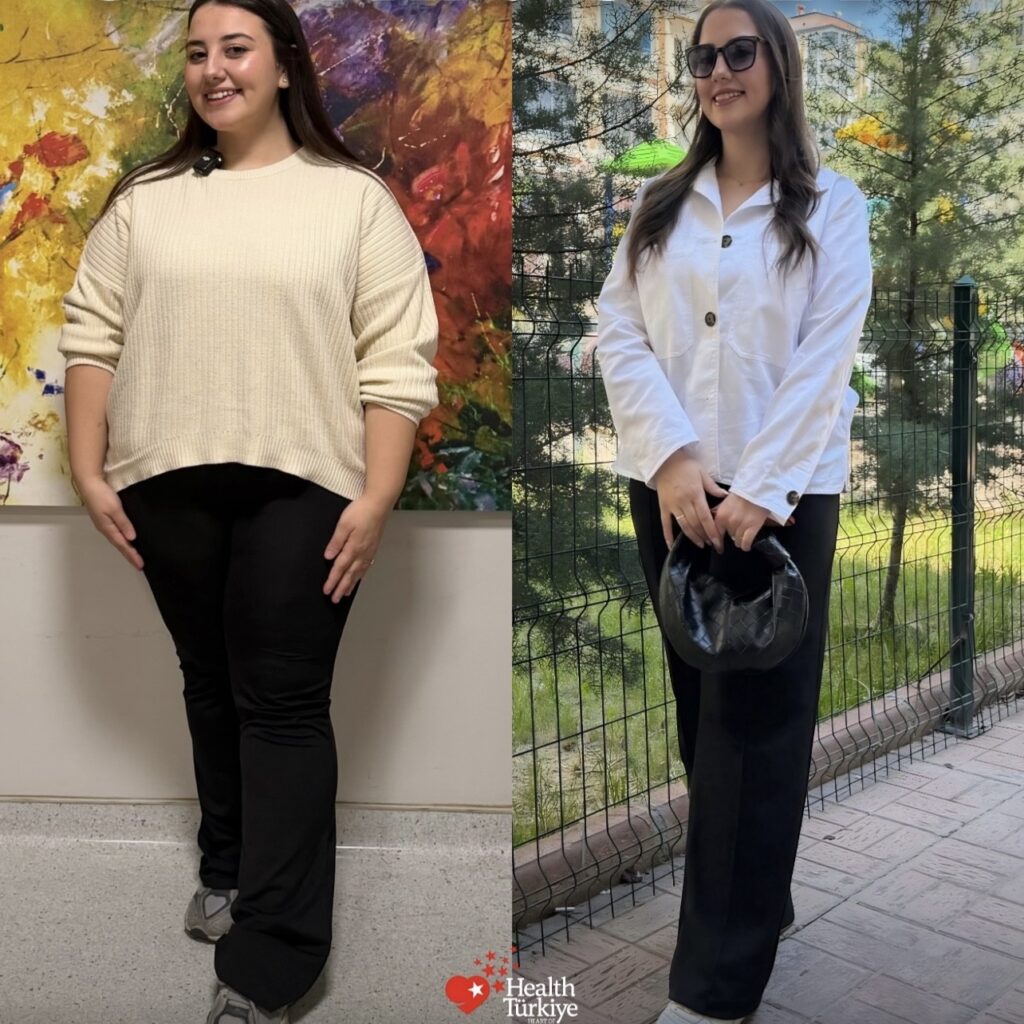
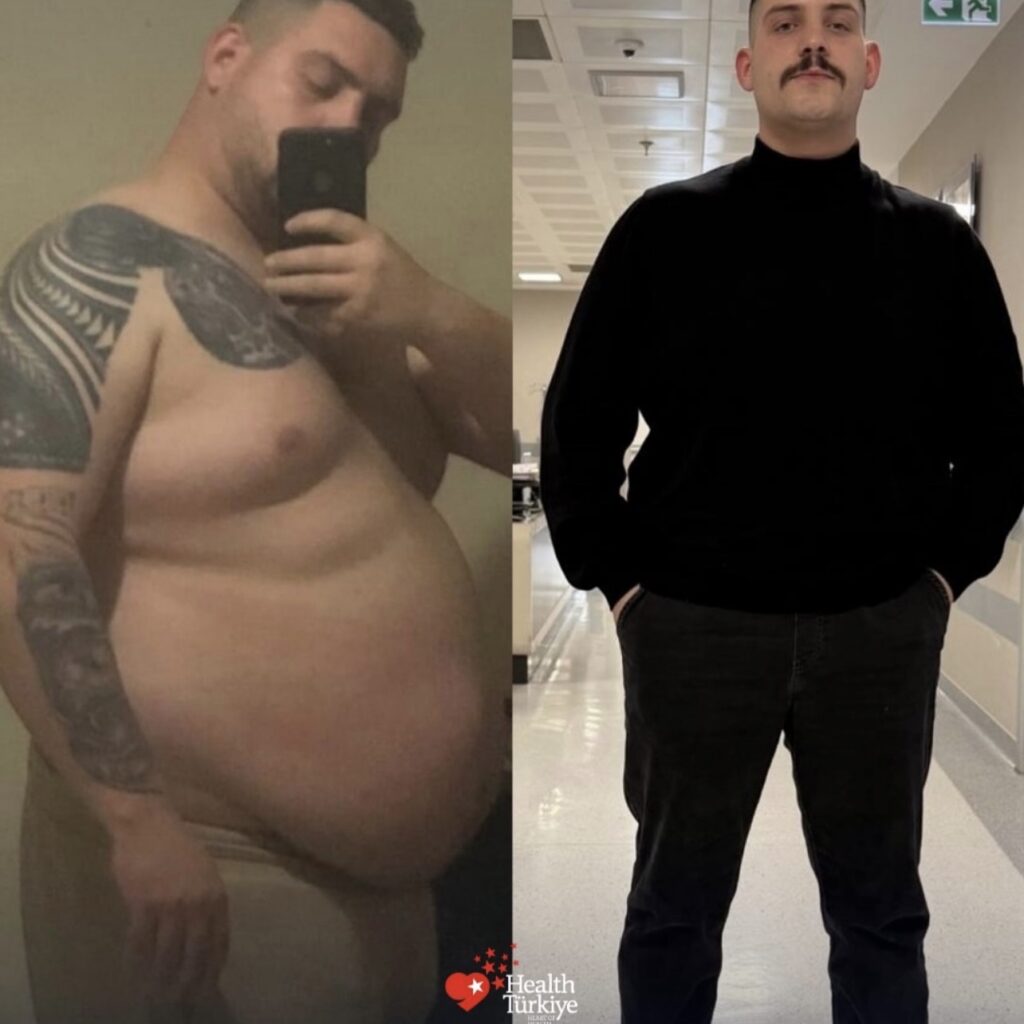
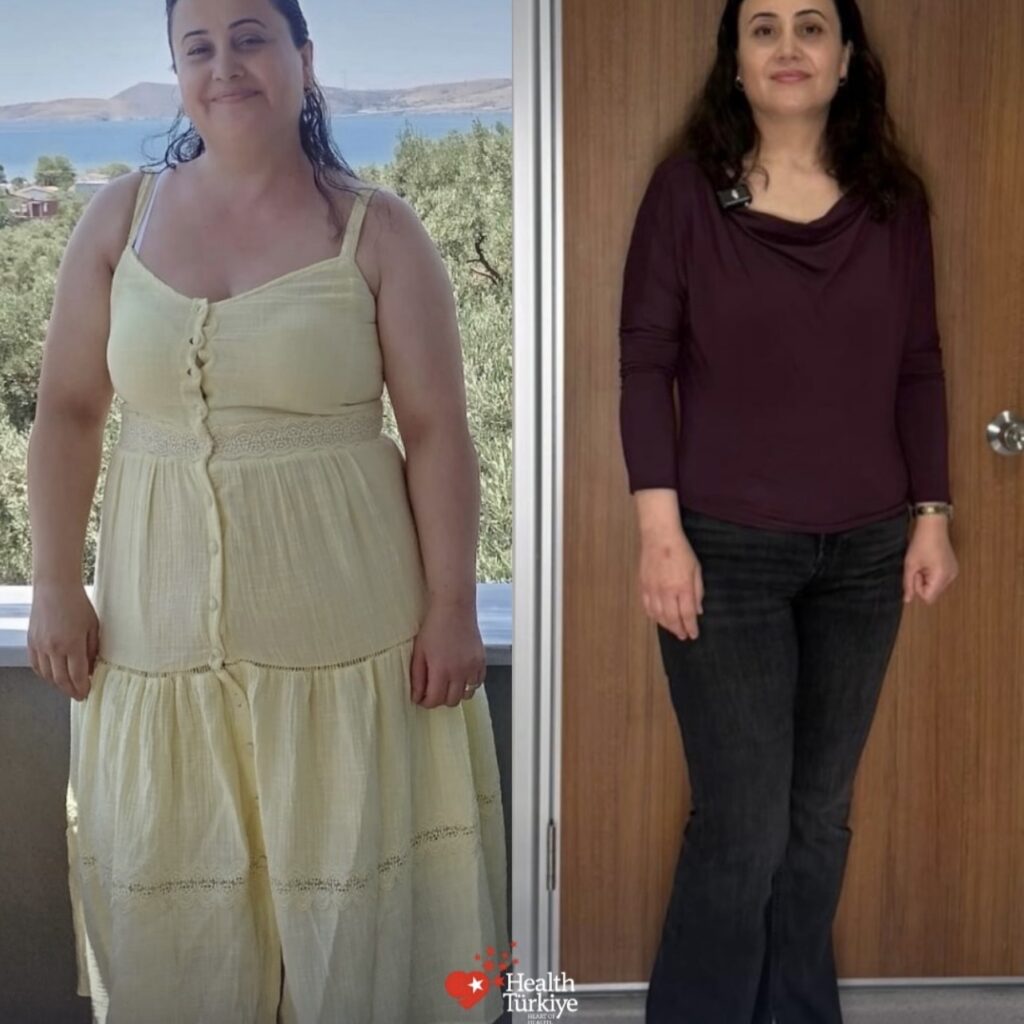
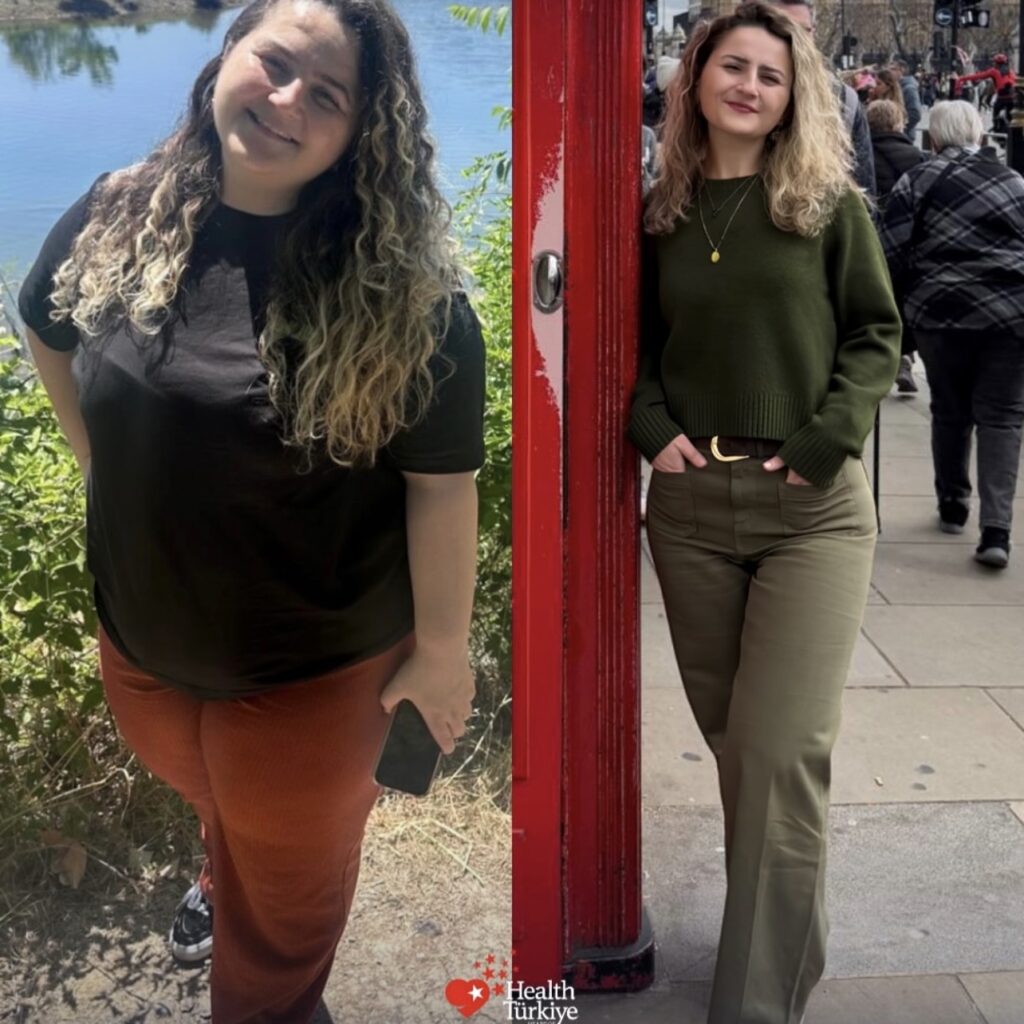
Transformations That Inspire

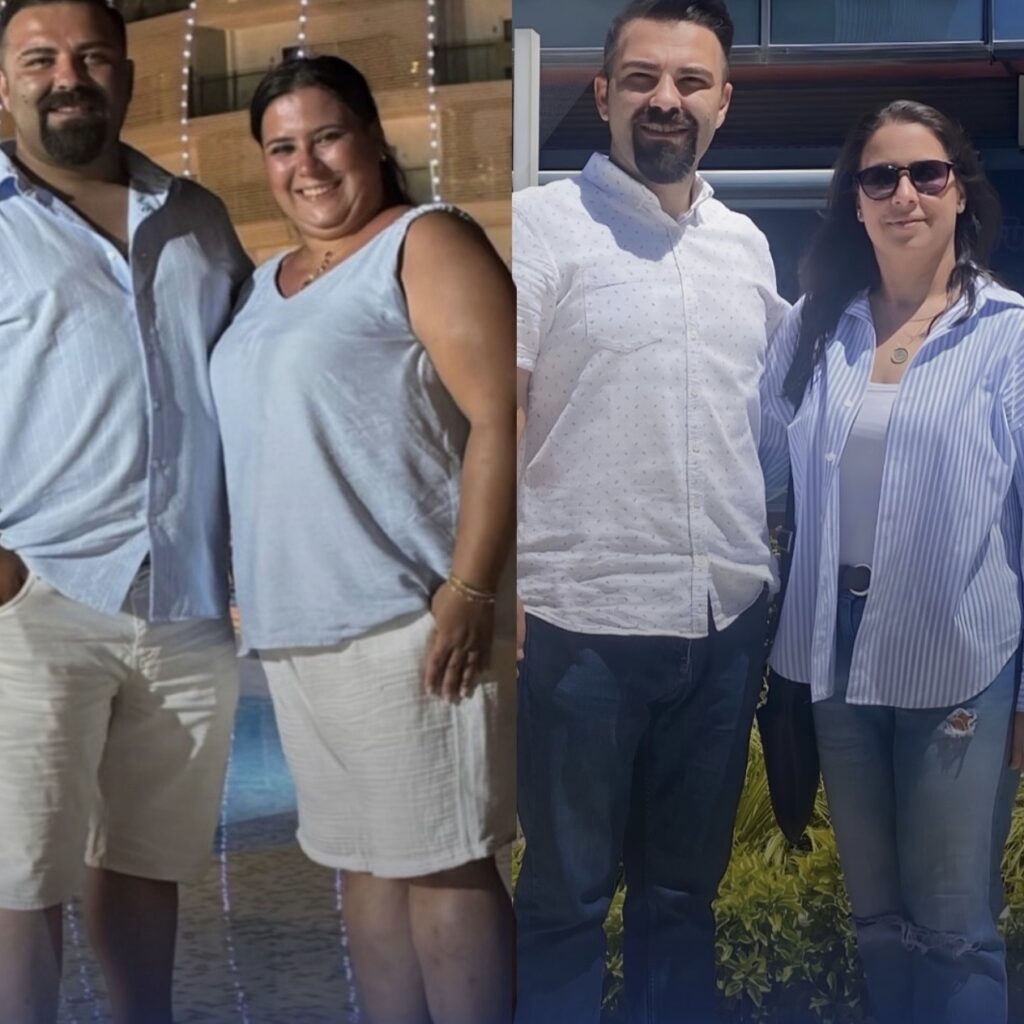
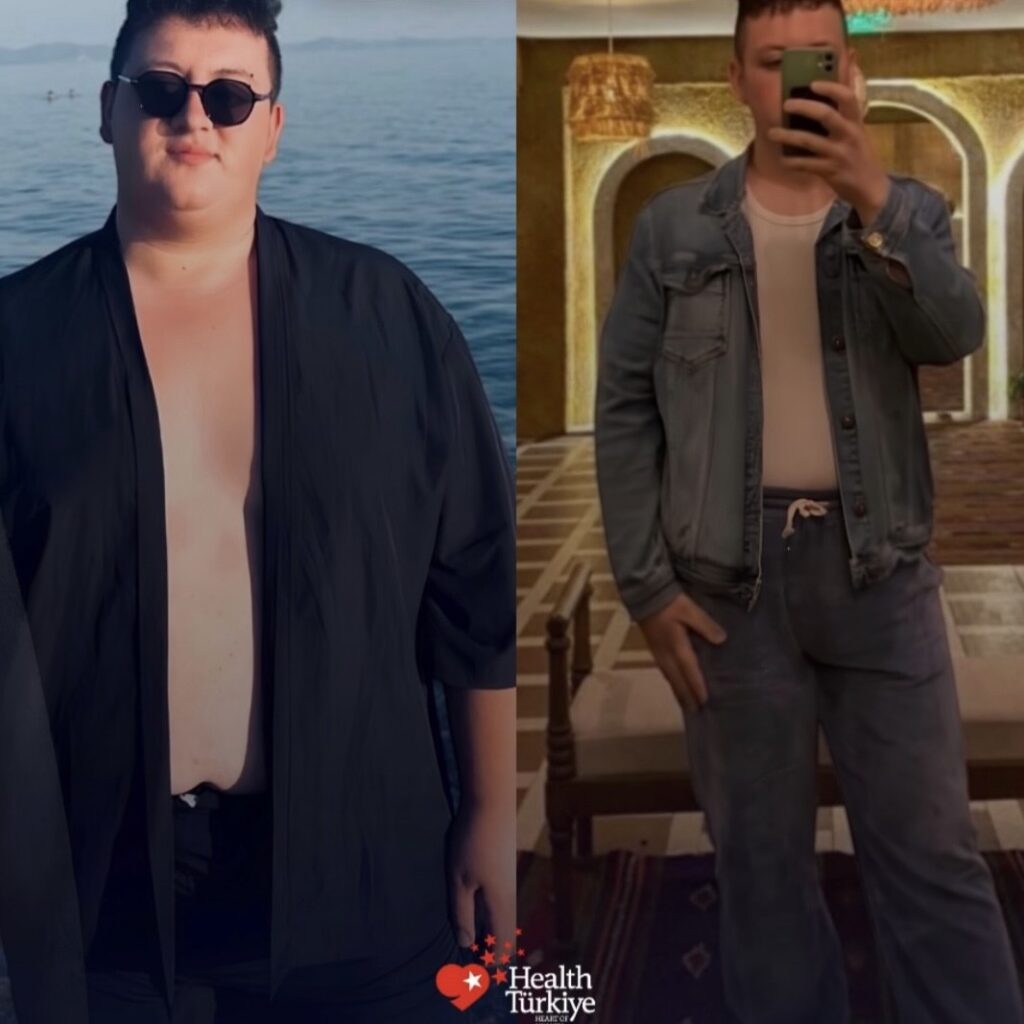

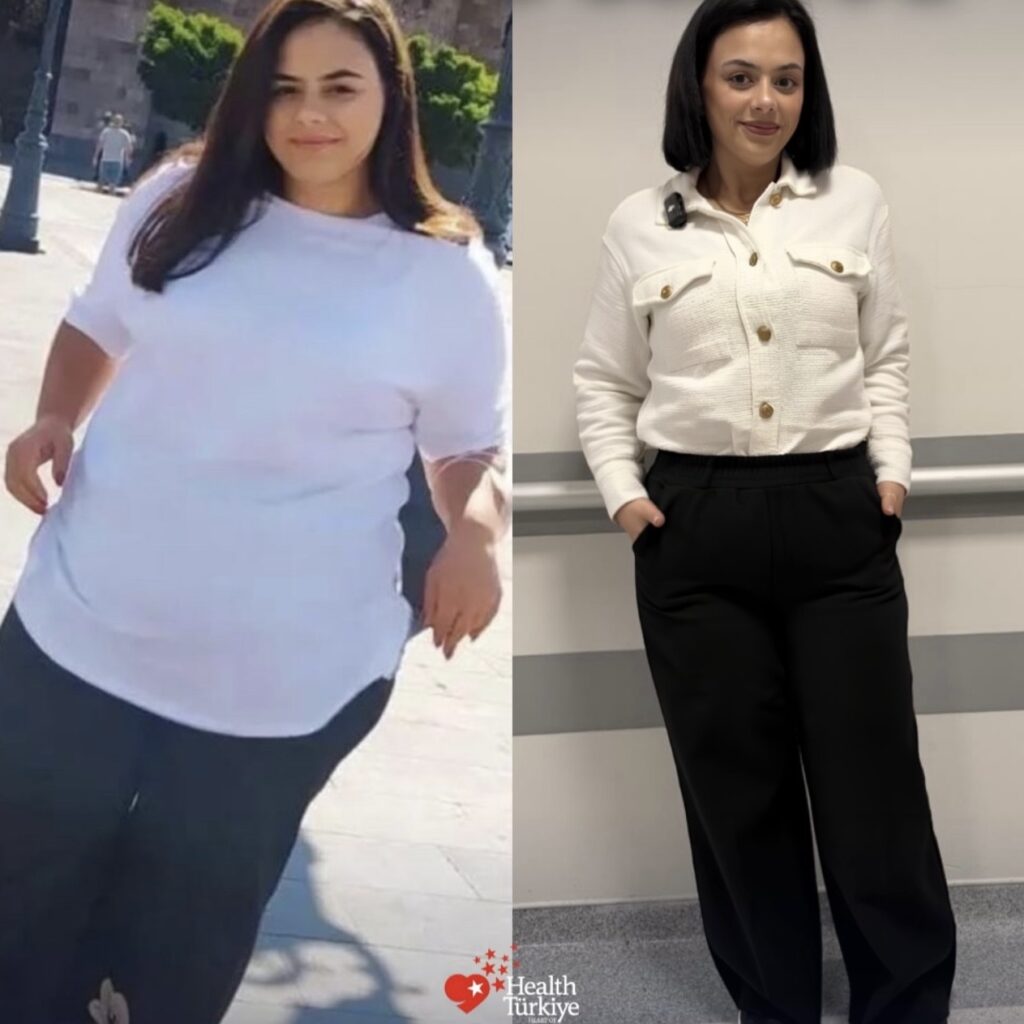

-

Brian T.
I came from Ireland and underwent a transit bipartition SASI bypass surgery at Alika Health Group. The entire process went smoothly, and my doctor and the team provided me with special care. My blood sugar levels stabilized and I began losing weight starting from the very first days after the surgery. I am currently continuing my weight loss journey in my home country with the support of a dietitian. Thank you.
-
Luka O.
On the recommendation of a friend from Georgia who had previously undergone obesity surgery here, I came to Alika Health and had diabetes surgery. I am now in my sixth month, have lost most of my excess weight, and am no longer insulin-dependent — I've completely stopped using it. Thank you to the Alika Health Group team for changing my life. I recommend this place to everyone battling type 2 diabetes.
-
Levan D.
I came across Alika while searching for bariatric surgery on Google, and after my consultation, I decided to have the surgery. I'm very happy with my decision — I'm so glad I went through with it. I'm now in my third month, and I've completely stopped using insulin and lost a significant amount of weight. Thank you to my doctor and the team members who answered all my questions 24/7.
-
Elizabeth L.
Last month, I underwent SASI Bypass (Transit Bipartition) surgery at Alika Health Group to finally free myself from the triple burden of lifelong insulin dependence, erratic blood sugar levels, and excess weight. I am so grateful to my doctor because I no longer have any issues with my blood sugar. My quality of life has truly improved. Best regards from UK, Elizabeth.



Metabolic Surgery
3 Nights at The Hospital / 1 Night at The Hotel
or 4 Nights at The Hospital
- Luxury Hotel Accommodation
- Pre-op Examinations
- Medication, Supplements and Diet Plan
- Post-op Support and Counselling
- VIP Transportation
- 12-Month Follow Up and Dietician Support
5 Steps of Surgery
Pre-Op Assessment
Upon consultation, your doctor will assess the underlying reasons for your excess weight and will plan an appropriate treatment accordingly.
Preparation
Before surgery, your medical team will carry out all necessary tests, including blood work, X-rays, and anesthesia evaluation.
The Surgery
Metabolic surgery is performed laparoscopically under general anesthesia using small incisions, where the stomach is reduced and digestion may be altered to improve metabolic function.
Closure
The remaining stomach and intestinal connections are secured, and the incisions are closed with sutures.
Recovery
Patients stay 3–4 nights in the hospital for monitoring while nurses and surgeons perform regular check-ups.
Metabolic Surgery Recovery and Diet
Nutrition plays a crucial role in a successful recovery after metabolic surgery. Patients follow a structured dietary plan to allow the stomach to heal properly and adapt to its new size.
- For the first 15 days, a liquid diet is recommended. This includes water, clear soups, and protein-rich liquids to maintain hydration and support healing.
- During the next 15 days, patients transition to a pureed (soft) diet, gradually introducing smoother foods that are easy to digest.
- After the first month, patients can begin to return to solid foods, provided they follow the recommended dietary guidelines. Maintaining a balanced diet and portion control is essential for long-term success and sustainable weight loss.
Recovery after metabolic surgery is a gradual and well-managed process that allows patients to return to their daily routine step by step.
- During the first 3 days, patients are advised to rest and focus on recovery under medical supervision. Light movement such as short walks may be encouraged to support circulation.
- From day 3 onwards, patients can begin light daily activities. Those with desk-based jobs can usually return to work, provided they avoid physical strain and take regular rest breaks.
- After the first week, patients may resume light duties, as long as they do not involve heavy lifting or intense physical effort.
- By week 4, most patients can return to normal activities, including jobs that require lifting, depending on their individual recovery progress and doctor's approval.
